
Reviewed · SEOUL KOREAN COOKING CLASSES
Korean Cooking at Seoul Cooking Club
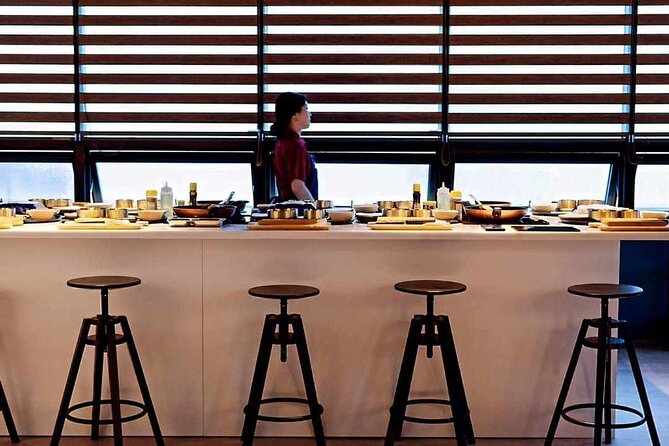
Korean Cooking at Seoul Cooking Club turns a Seoul meal into a practical lesson. In about two and a half hours, you may prepare bulgogi, bibimbap, japchae, gimbap, several jeon pancakes, and dessert, then sit down to eat what you made. It is a friendly way to understand the flavors behind dishes you will see all over Korea.
I like the wide menu and the fact that the class covers both savory and sweet food, rather than teaching one isolated recipe. I also like the small maximum of 12 people, which gives instructors such as Olivia, Elly, Sally, and Grace room to answer questions and help at the workstations.
The main consideration is that this is designed as an easy introduction, not an advanced chef’s course. Much of the chopping, measuring, and advance cooking may already be done, so experienced home cooks could find some of the hands-on work more like assembling than starting from scratch.
Key Points at a Glance
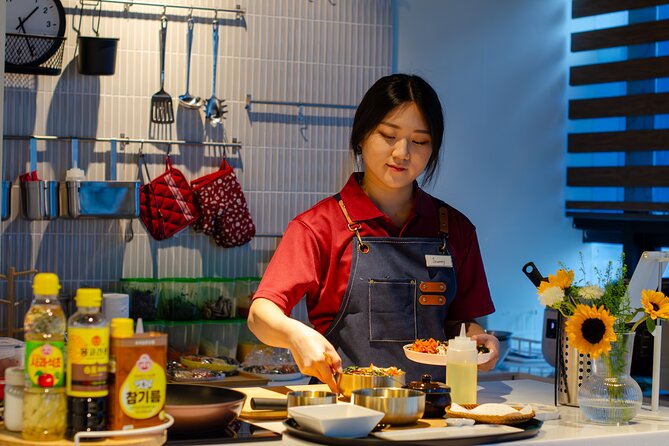
- Seven or more Korean dishes: Menus can include bulgogi, bibimbap, japchae, gimbap, three kinds of jeon, appetizers, and dessert.
- A full meal, not just a demonstration: You prepare food, taste Korean flavors and drinks, then eat together.
- Friendly named instructors: Olivia, Elly, Sally, and Grace are praised for clear explanations, patience, and good humor.
- Dietary flexibility: Vegan, vegetarian, pescatarian, gluten-free, halal, and other dietary needs can be accommodated.
- Small-group format: The class is capped at 12 people, making it more personal than a large demonstration.
- Good take-home value: You receive recipes in a cookbook, and the generous portions may leave you with food to take away.
A Korean Cooking Class Built Around a Feast
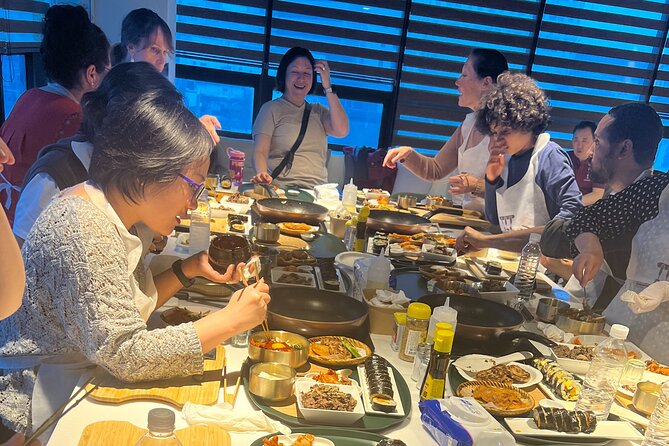
At $109 per person, Seoul Cooking Club is not a bargain meal, but it is more than a meal. You get an activity, instruction, cultural context, a substantial tasting session, and recipes you can use later. For a visitor who wants one organized food experience in Seoul, that combination makes the price easier to justify.
The class lasts approximately 2 hours and 30 minutes. It is offered as a brunch, lunch, or dinner experience, so you can fit it into different sightseeing plans. The meeting point is 71-6 Jongno 2(i)-ga in Seoul’s Jongno District, and the class finishes at the same place.
The format is social without requiring you to arrive with a group. Solo visitors can meet other people around the cooking stations, while couples and families can work together. The class limit of 12 keeps the group small enough for direct help, though the exact feel will depend on how many people book a particular session.
The basic rhythm is simple: introduction, preparation, cooking, tasting, shared meal, dessert, and time to ask questions. You are not expected to bring advanced cooking skills. The recipes are presented in clear stages, and the instructors help you adjust as you go.
More Korean cooking classes in Seoul:
- Local Home Korean Cooking Class & Market Adventure in Seoul
★ 5.0 · 1,024 reviews - Master Korean traditional cooking with a Kimchi chef
★ 5.0 · 385 reviews - Seoul: Korean Cooking Class at a Local Home and Market Tour
★ 5.0 · 348 reviews
Starting With Korean Flavors and Ingredients
A useful part of the experience is learning how Korean food gets its character. The class is not only about following a printed recipe. Instructors explain the ingredients, how they work together, and the small adjustments that affect the final taste.
You can expect to encounter a range of Korean flavors rather than one repeated sauce. The class is designed to include about 10 flavors across appetizers, main dishes, and dessert. This gives you a better sense of Korean cooking than a single-dish workshop would.
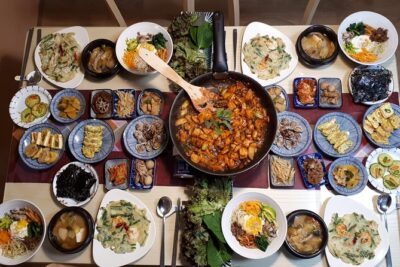
The menu may include familiar favorites such as bulgogi and bibimbap. Bulgogi introduces the sweet and savory balance of marinated meat, while bibimbap shows how rice, vegetables, seasoning, and toppings come together in one bowl. Japchae adds springy glass noodles and another texture to the meal.
The class can also include gimbap and several types of jeon. Gimbap is especially useful for first-time visitors because it appears often as a portable Korean meal, while jeon demonstrates how different ingredients can be coated and pan-cooked into savory pancakes.
Some sessions include Korean drinks such as tea, water, or sujeonggwa. That matters because the meal feels less like a rushed cooking demonstration and more like a shared table. You have time to taste, compare, and ask why a certain ingredient is used.
What You Actually Do During the 2.5 Hours
The hands-on level is best described as beginner-friendly. Ingredients are prepared in advance so the class can cover a surprisingly large number of dishes in a short period. That keeps the pace manageable and lets you focus on techniques, seasoning, shaping, and final cooking.
This setup has a clear advantage: you can make many dishes without spending the entire class chopping vegetables. It also means you are likely to finish with food that looks and tastes good, even if you rarely cook.
The tradeoff is important. If you want to learn every step from washing and cutting ingredients through long simmering times, this may feel too basic. One participant found the class closer to assembly than full cooking, and that is a fair expectation to set before booking.
For most visitors, the variety is the point. You may help prepare gimbap, form or cook jeon, assemble bibimbap, work with japchae, and season bulgogi. The instructor then demonstrates or guides the cooking steps needed to bring everything together.
The teaching style also seems to leave room for tasting and adjustment. That is valuable because Korean recipes can be flexible. You learn not only what to add, but how to judge whether the balance is right.
The Menu: Bulgogi, Bibimbap, Gimbap, and More
The strongest part of this experience is the range of food. A typical menu can reach seven dishes plus dessert, although the exact selection may vary. You are not simply making one bowl and calling it lunch.
Bulgogi provides a familiar entry point. It is widely known outside Korea, so learning how it is prepared helps connect restaurant meals with the ingredients and methods behind them.
Bibimbap is useful for understanding contrast. Rice forms the base, while vegetables, seasoning, and other toppings create different textures and flavors. The dish also helps explain why Korean meals often feel varied even when built from simple ingredients.
Japchae gives the menu a noodle dish, while gimbap adds a hands-on shaping task. Gimbap can be a little fiddly at first, but the instructor’s demonstration and one-on-one help make it approachable.
The three kinds of jeon add another layer of variety. They show how one broad cooking method can produce different results depending on the filling or topping. This is the kind of detail you can remember when ordering food later in your trip.
Dessert completes the meal. The class is not limited to spicy or savory dishes, which is useful for anyone trying to understand the wider range of Korean food. The combination of appetizers, mains, drinks, and something sweet also explains why you should arrive hungry.
Several participants found the portions generous enough for leftovers. You may have food to take away for later, though the amount will depend on the menu and group. Do not schedule a heavy restaurant meal immediately afterward.
A different kind of day out around Seoul:
- Best DMZ Tour Korea from Seoul (Red Suspension Bridge Optional)
★ 5.0 · 41,422 reviews - DMZ Tour: 3rd Tunnel, Option(Suspension Bridge, Boat) from Seoul
★ 5.0 · 21,373 reviews - DMZ tour south Korea from Seoul (NK experience hall, defector)
★ 5.0 · 20,599 reviews - Seoul: DMZ Tour with Optional Suspension Bridge
★ 4.8 · 5,277 reviews
Instructors Who Keep Beginners Moving
The instructors are central to the experience. Olivia is described as friendly, clear, patient, and good at answering questions about Korean culture. Elly is praised for straightforward demonstrations, especially with gimbap, and for making the cooking feel easy.
Sally receives repeated praise for her warmth and clear teaching. Grace is noted for explaining the foundations of Korean flavor and the cultural reason behind certain ingredients. The presence of a helper can also make a difference when several dishes are being prepared at once.
These names matter because a cooking class depends heavily on presentation. Complicated recipes can feel simple when the teacher breaks them into short steps. A less polished instructor could make the same menu feel hurried, but the teaching approach here is built around encouragement and practical guidance.
You can ask questions about food as well as Korean culture. That makes the class useful early in a Seoul visit. Afterward, menus may be easier to read, and dishes you see at markets or restaurants will have more meaning.
The instructors also appear comfortable with a range of ability levels. Beginners can follow the basic steps, while confident cooks may still pick up ideas about seasoning, ingredients, and Korean preparation methods. Advanced cooks should not expect technical training at professional culinary-school level.
Dietary Needs and Inclusive Cooking
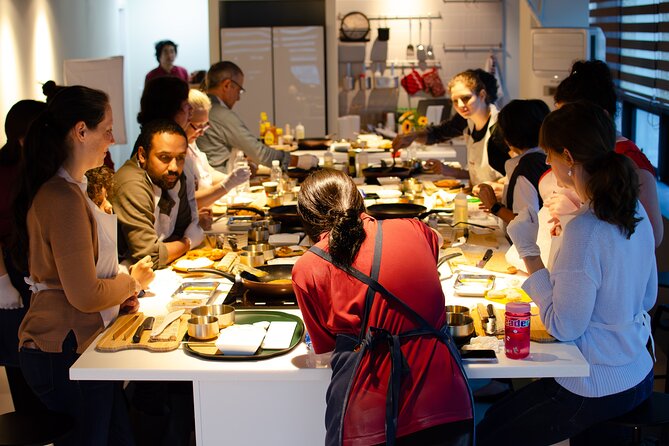
The class offers options for vegan, vegetarian, pescatarian, gluten-free, and halal diets. Other dietary preferences can also be discussed, and one participant with a peanut allergy and restrictions on beef and pork was able to eat the food prepared.
You should provide your dietary information when booking rather than waiting until the class begins. The supplied details confirm that the experience can cater to several needs, but they do not promise that every ingredient can be changed in every menu.
This flexibility is one of the strongest practical reasons to choose the class. Food tours often involve tasting whatever is served, which can leave people with allergies or religious restrictions watching from the side. Here, the stated approach is more accommodating.
Still, you should make your requirements clear and confirm any serious allergy arrangements in advance. The class includes many dishes and ingredients, so precise communication matters.
A Social Experience for Solo Visitors and Families
The class works well for solo visitors because the cooking stations naturally create conversation. You are given an activity to share, so meeting other people does not depend on making small talk from nothing.
Couples can split tasks and compare results. Families can also enjoy the format, and a family group of five found the combination of cooking, eating, and taking home leftovers especially practical.
The shared meal is part of the value. You are not simply handed a plate after watching a demonstration. You contribute to the preparation, then sit down with the group and enjoy the results. That makes the food more memorable.
The class is not described as tiring. You can sit during parts of the session, take breaks between tasks, and eat at the end without being rushed. This makes it a reasonable choice for an afternoon or evening when you want something more relaxed than another long walking tour.
Location, Timing, and Practical Details
The meeting point is at 71-6 Jongno 2(i)-ga in Jongno District. The location is near public transportation, which helps when you are planning around Seoul’s major sights. You receive a mobile ticket, and confirmation is provided when you book.
The class ends at the same meeting point, so you do not need to arrange a separate ride from an unfamiliar neighborhood. It is worth allowing a little extra time to find the exact address, especially if you are navigating Seoul for the first time.
The activity lasts about 2 hours and 30 minutes. Since the menu is large, the session is not suited to anyone who needs to leave at a fixed time halfway through. Plan to stay for the meal and dessert.
Service animals are allowed. The experience can accommodate several dietary patterns, but the available information does not provide detailed accessibility measurements or kitchen layout information. If you have specific mobility needs, ask before booking.
Free cancellation is available if you cancel at least 24 hours before the start time. Cancellations or changes made within 24 hours are not refunded or accepted, and the cutoff follows local Seoul time.
Is $109 a Fair Price?
The price is $109 per person. Compared with the cost of an ordinary Korean meal, that is high. Compared with a private cooking lesson or a short food workshop that includes only one or two dishes, the value is more competitive.
You are paying for several things at once: about 2.5 hours of instruction, a small group, a broad menu, drinks, dessert, a sit-down meal, and recipes to use at home. The portions may also cover a later snack or meal through leftovers.
The cookbook is a particularly useful extra. It gives the class a life beyond your trip, and it answers the common problem of returning home with good memories but no idea how to recreate the food.
I would consider the price worthwhile if you want an organized cultural activity and a substantial meal. I would hesitate if your main goal is advanced knife work, professional techniques, or a detailed lesson from raw ingredients to finished dish.
Who Should Book Seoul Cooking Club?
I would recommend it to first-time visitors who want a friendly introduction to Korean food. It is also a good fit for solo visitors, couples, families, beginners, and anyone with dietary requirements who wants more control over what they eat.
Food lovers who have already eaten bulgogi, bibimbap, and gimbap in restaurants will appreciate learning how the dishes are put together. The class can make the rest of your Seoul meals easier to understand.
I would be more cautious about recommending it to experienced cooks seeking a demanding lesson. The advance preparation keeps the class efficient, but it reduces the amount of basic kitchen work you perform yourself.
Book this class if you value variety, friendly teaching, and a full meal over advanced technique. Come hungry, tell the organizers about dietary needs early, and leave enough time to enjoy the food instead of rushing to the next sight.
FAQ
How long does the Korean cooking class last?
The experience lasts approximately 2 hours and 30 minutes.
Where does the class meet?
The meeting point is 71-6 Jongno 2(i)-ga in Seoul’s Jongno District. The activity ends back at the same meeting point.
How many people can join the class?
The maximum group size is 12 people.
What dishes might I prepare?
The menu can include bulgogi, bibimbap, japchae, gimbap, three types of jeon, appetizers, main courses, dessert, and Korean drinks. The exact selection may vary.
Can the class accommodate dietary restrictions?
Yes. Options are available for vegan, vegetarian, pescatarian, gluten-free, and halal diets, along with other dietary preferences. Share your needs when booking.
What is the cancellation policy?
You can receive a full refund if you cancel at least 24 hours before the experience start time. Cancellations or changes made less than 24 hours in advance are not accepted or refunded.
Just added around Seoul
- Your Personal Seoul Photographer!★ 4.1 · 15 reviews
- From Seoul: Hwacheon Ice Fishing and Lighting Festival Tour★ 4.5 · 4 reviews
- You’re Invited to Our Home in Seoul: The Only Cooking Class!★ 5.0 · 8 reviews
- Seoul: Gangneung BTS K-Pop & K-Drama Filming Locations Tour★ 4.6 · 14 reviews
- Unique Native Experience : Han River Picnic, Board game, BBQ★ 5.0 · 3 reviews
- 2-Hour Private Kayaking and Paddleboarding Experience in Hanriver★ 5.0 · 3 reviews
- Yun Korean Cooking Class in Seoul★ 5.0 · 6 reviews
- Day Trip to Yongin Daejanggeum and Korean Folk Village from Seoul★ 4.0 · 9 reviews
Seoul Korean Cooking Classes, compared.
Local Home Korean Cooking Class & Market Adventure in Seoul
Read our review →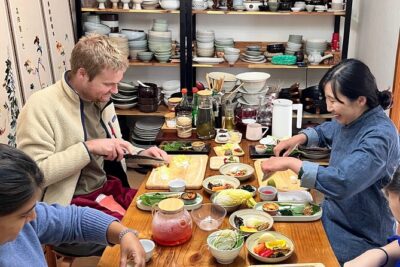
Master Korean traditional cooking with a Kimchi chef
Read our review →
Korean Cooking Class at a Local Home and Market Tour
Read our review →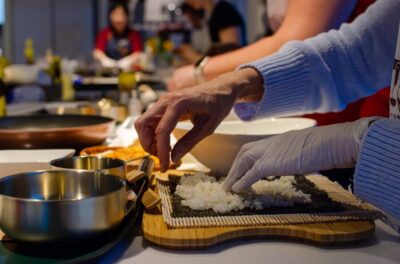
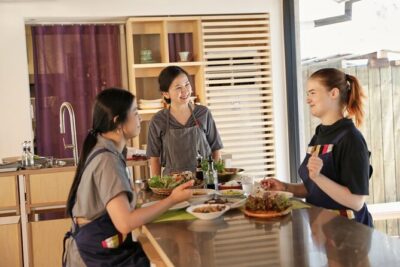
Experience Korean Cooking in Modern Hanok Kitchen
Read our review →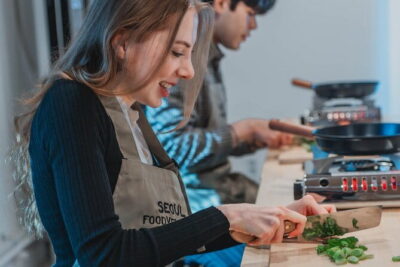
Korean Cooking Class with Grocery Shopping at Seoul Local Market
Read our review →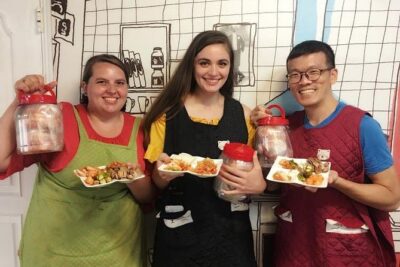
Korean Kimchi Making Day Experience with a Local Market Tour
Read our review →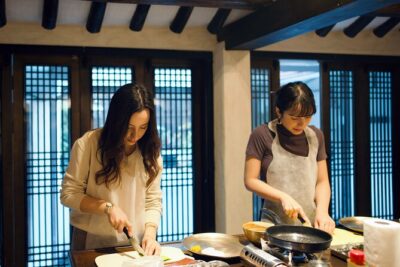
Royal Seoul Cooking Class in a 100-Year-Old Hanok
Read our review →Browse the lists this tour appears in