
Reviewed · SEOUL KOREAN COOKING CLASSES
You’re Invited to Our Home in Seoul: The Only Cooking Class!
The unusual part comes first: you are invited into a real Korean home, not a studio kitchen dressed up to look local. David and Hanna welcome you, guide you through home-style dishes, and share a view toward the Han River and downtown Seoul while you cook and eat.
I like the small size, limited to four people, and I like that the meal centers on jeon, the crisp-edged Korean pancakes often made for holidays and family gatherings. You also get practical Seoul advice from David, who has helped visitors with food recommendations and even bus directions after class.
The main consideration is that this is a social home experience, not a polished restaurant lesson with a fixed menu. The selection of jeon can change with ingredient availability, the class is not suitable for wheelchair users, and you must arrange your own transportation to the home.
Key points before you book
- Cook in a real Seoul home: You share the kitchen and meal in a personal setting, with a view of the Han River and the city skyline.
- Make several kinds of jeon: Depending on the day, you may prepare meatball, scallion, zucchini, mushroom, tofu, beef, seafood, or skewered pancakes.
- Keep the group tiny: The class is limited to four participants, which allows for close guidance and conversation.
- Plan for a full meal: Doenjang-jjigae, seasonal banchan, Korean tea, Sikhye, and Hotteok add much more than a quick cooking demonstration.
- Stay for the riverside walk: After eating, you can join an optional one-hour walk around the local area and Han River.
- Ask for menu changes early: Vegan, vegetarian, shellfish-free, less-spicy, and other dietary adjustments can be arranged if you provide notice.
Why this home cooking class feels different
Seoul offers plenty of food tours and cooking schools, but this experience is built around hospitality. You enter David and Hanna’s home, cook alongside them, and sit down to eat in the same place. That changes the pace. You are not rushing between market stalls or trying to keep up with a large class.
The setting also gives you a glimpse of ordinary Korean life. You can ask about food, customs, neighborhoods, transport, and daily routines while the meal comes together. David is especially useful if you want practical Seoul advice, not just a list of famous sights. One visitor received recommendations for later in the trip and help finding the bus after the class.
The group limit of four matters here. In a larger class, a cooking station can feel like a crowded workshop. With only a few people, you have a better chance to ask questions, watch the technique closely, and take part in each stage. The class is offered in English and Korean.
The two-hour length is enough for a meal and a solid introduction, but it is not a full culinary course. You will learn the main steps and handle the ingredients, yet the emphasis is on sharing food and culture rather than mastering every Korean recipe.
More Korean cooking classes in Seoul:
- Local Home Korean Cooking Class & Market Adventure in Seoul
★ 5.0 · 1,024 reviews - Master Korean traditional cooking with a Kimchi chef
★ 5.0 · 385 reviews - Seoul: Korean Cooking Class at a Local Home and Market Tour
★ 5.0 · 348 reviews
Making jeon, Korea’s family-style pancakes
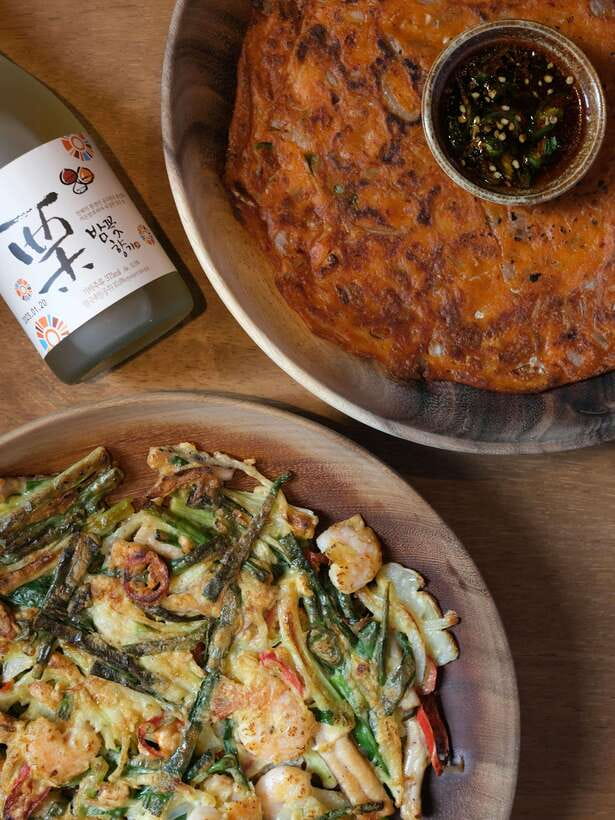
Jeon is the star of the class. The word covers a broad family of lightly coated and pan-fried foods, from vegetables and meat to seafood and tofu. Jeon appears at holiday tables, family celebrations, royal banquets, and ancestral rituals, so it carries more meaning than the simple label Korean pancake suggests.
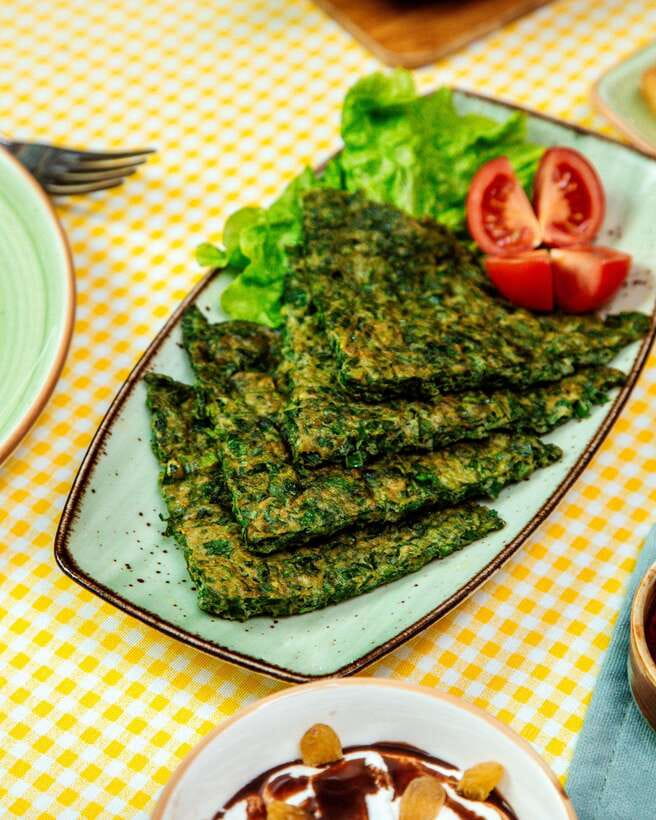
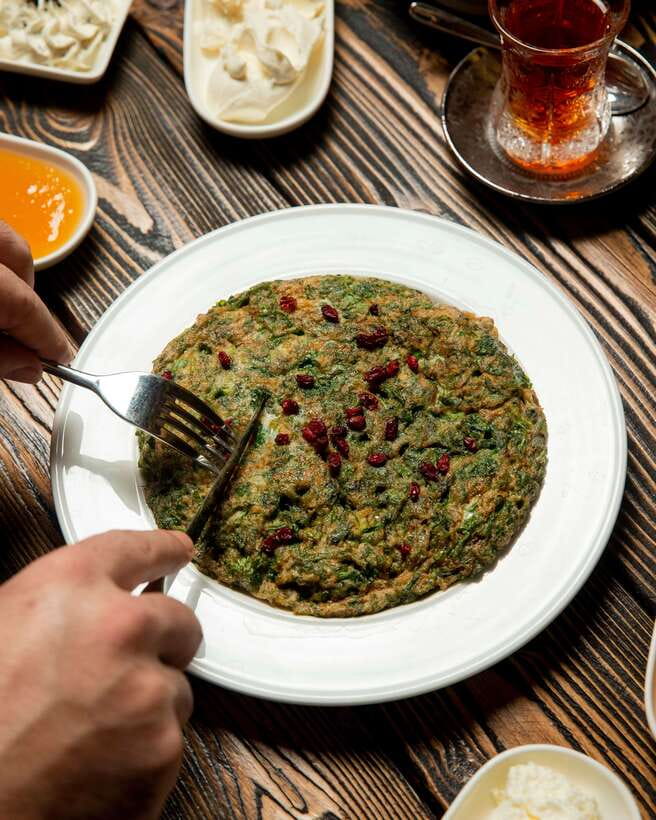
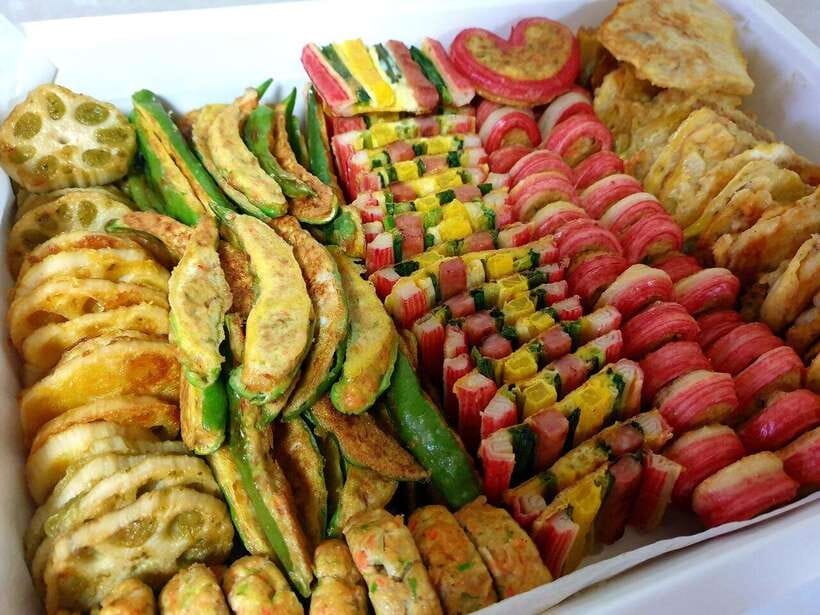
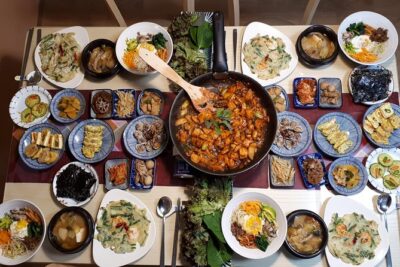
You may prepare Donggeurangttaeng, a small meatball pancake, along with Pajeon made with scallions. Hobakjeon uses zucchini, Beoseotjeon uses mushrooms, and Dubujeon uses tofu. Depending on supplies, the selection may also include Yukjeon with beef, Kkochi-jeon with skewered ingredients, and Haemuljeon with seafood.
The fun is in the variety. Each piece needs a little attention in the pan, and the ingredients cook at different rates. You learn to watch color, texture, and timing rather than simply following a printed recipe. The process rewards patience, especially when you are trying to keep a delicate vegetable or tofu piece intact.
This is also a good introduction to the Korean idea of cooking together for a special occasion. Jeon is often prepared in quantity, with family members sharing the work. Here, the meal becomes a conversation as much as a lesson. You are not just making one signature dish and leaving. You are trying several forms of the same basic preparation and seeing how much the ingredients change the result.
The menu is flexible. Vegetarian and vegan requests can be accommodated, and spicy ingredients can be reduced or changed. Shellfish-free cooking is also possible, an important point for anyone with an allergy. Tell the hosts about restrictions in advance rather than waiting until the class begins.
From first drink to dessert
The class begins with traditional Korean tea, and tea and snacks remain available during the cooking. This gives the experience a gentle start while you meet the hosts and settle into the home.
The full meal includes three main dishes with seasonal banchan, the small side dishes that give a Korean table its range of tastes and textures. The exact main dishes can vary, so you should think of the advertised menu as a guide rather than a rigid promise. Jeon and doenjang-jjigae are central parts of the experience, while other foods may change according to the day.
Doenjang-jjigae is a soybean paste stew with a savory, earthy flavor. It offers a useful contrast to the crisp fried jeon. Banchan add further variety and show how a Korean meal is built around several shared dishes rather than one large plate.
For dessert, you receive Sikhye and Hotteok. Sikhye is a sweet rice punch served cold or chilled, while Hotteok is a sweet Korean pancake. The menu makes an appealing arc: savory pancakes, warm stew, side dishes, then sweet drinks and dessert.
One past class included tea, gimbap, Korean pancakes, octopus ramen, and a sweet pastry. That is a reminder that the food on your day may not match every example exactly. If you have your heart set on one particular dish, ask before booking or contact the hosts in advance.
The view adds real value
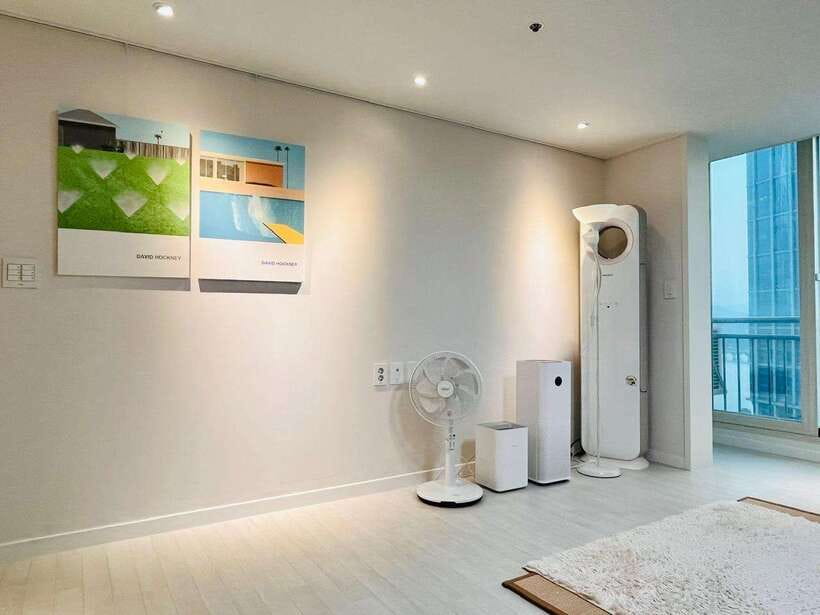
The home has a view toward the Han River and downtown Seoul. That matters because the experience is not confined to a kitchen counter. Once the food is ready, you can eat while looking out over one of the city’s defining features.
The view is especially useful for putting Seoul into perspective. The city can feel like a fast-moving wall of towers and traffic when you first arrive. Seeing the river and skyline from a home gives you a quieter pause and a sense of how the city’s neighborhoods relate to one another.
This is not a separate sightseeing platform, so you should not book the class only for a guaranteed landmark panorama. The exact view may depend on the weather and conditions on the day. Still, it is a thoughtful bonus that makes the meal feel tied to Seoul rather than transferable to any cooking school.
Bring a camera if you like taking food and city photographs. A DSLR photography session is included, with photos taken during the class and provided afterward. The experience details do not specify how or when the images are delivered, so ask the host if that matters to you.
A different kind of day out around Seoul:
- Best DMZ Tour Korea from Seoul (Red Suspension Bridge Optional)
★ 5.0 · 41,422 reviews - DMZ Tour: 3rd Tunnel, Option(Suspension Bridge, Boat) from Seoul
★ 5.0 · 21,373 reviews - DMZ tour south Korea from Seoul (NK experience hall, defector)
★ 5.0 · 20,599 reviews - Seoul: DMZ Tour with Optional Suspension Bridge
★ 4.8 · 5,277 reviews
A useful hour beside the Han River
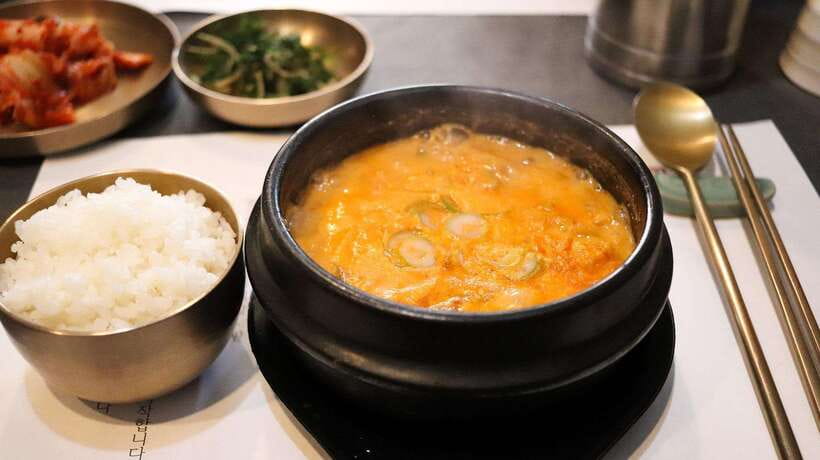
After the meal, you can join an optional one-hour walk through the local area and along the Han River. You are free to skip it, which is helpful if you have another appointment or simply want to linger over the meal.
I would keep the walk in your plans if you want a relaxed finish and more local conversation. The hosts can point out the area and continue answering questions about Seoul. It also gives you a chance to walk off a generous meal.
The tour is not described as a formal sightseeing route with a set list of monuments. Think of it as a neighborhood and riverside stroll attached to the cooking class. That makes it flexible, but it also means you should not expect a substitute for a dedicated Seoul city tour.
The walk can be useful early in your visit. You may leave with ideas for what to eat, where to go, and how to move around the city. David’s willingness to offer restaurant and sightseeing suggestions was a repeated strength of the experience.
What the hosts add to the meal
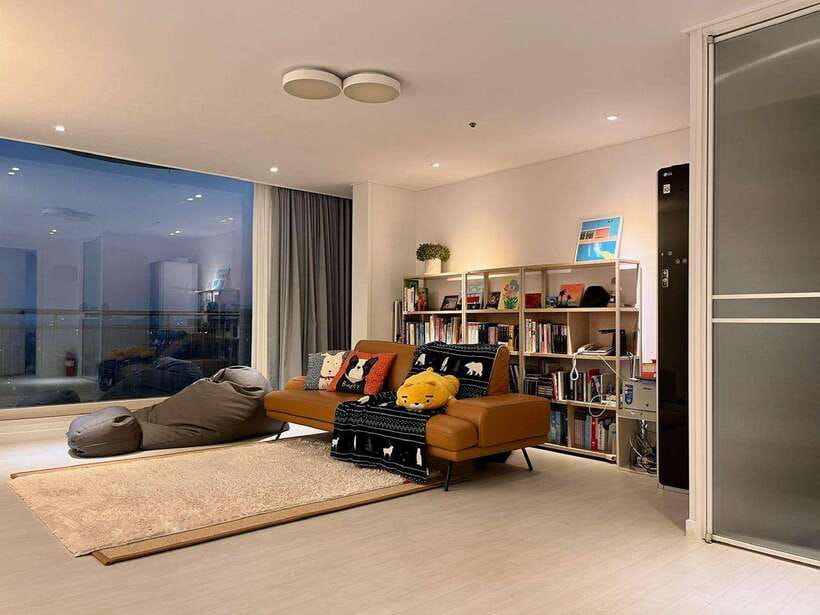
David and Hanna are central to the appeal. The atmosphere is intended to feel welcoming and personal, and the small group gives you time to speak with them directly. This is the sort of setting where you can ask a basic question about Korean food without feeling rushed.
The hosts also make the class suitable for first-time visitors to Korea. You can learn the names of dishes, ask how Korean families use them, and get help with everyday travel questions. One person with a shellfish allergy found the ability to adjust the food especially reassuring, while another appreciated being welcomed by the wider family during the activity.
That personal side is the strongest reason to choose this class over a cheaper cooking lesson in a commercial kitchen. You are paying for access to a home, a very small group, a meal, guidance, recipes, photos, and conversation. The value depends on how much you want that human contact.
The class will be less appealing if you prefer a tightly timed professional demonstration, a fixed menu, or a location with formal accessibility facilities. The home setting is the point, but it also sets practical limits.
Is $110 a fair price?
At $110 per person, this is not a budget meal or a quick market activity. The price includes two hours of instruction, all ingredients and equipment, an apron and utensils, the full meal, seasonal banchan, tea, desserts, recipes, water, photos, and the optional local and Han River walk.
The strongest value comes from the combination. A basic cooking class might teach you one or two dishes. A restaurant meal gives you food but not the preparation. A guided walk gives you local context but not a seat at someone’s table. This experience joins all three in a small group.
The price is easier to justify for couples, solo visitors, and small groups who value conversation and cultural access. It is also useful for anyone who wants recipes to recreate at home. You receive the recipes afterward, but ingredients for cooking at home are not included, so you will need to shop separately.
If you are mainly looking for a cheap way to eat Korean food, $110 is more than you need to spend. If you want a personal introduction to home cooking, practical Seoul advice, and a meal with a family rather than a commercial class, the cost is reasonable.
Free cancellation is available up to 24 hours before the activity, and you can reserve now and pay later. Transportation to and from the home is not included, so allow extra time to reach the meeting point and confirm the exact directions before the day.
Who should book this experience?

I would recommend it to you if you enjoy food, small groups, and conversations with local people. It is also a good choice if you have already seen the major Seoul sights and want something more personal, or if you are visiting Korea for the first time and want practical advice from hosts who live there.
Families, couples, solo visitors, and small friend groups can all fit the format, as long as the total group remains within the four-person limit. People who avoid pork, shellfish, meat, or spicy food should contact the hosts early. The menu can be adjusted, but advance notice is important.
The class may not suit you if you use a wheelchair, since it takes place in a private home and is specifically not suitable for wheelchair users. It is also not the best pick for anyone expecting a formal commercial venue, a guaranteed list of every advertised pancake, or a structured sightseeing tour.
Wear comfortable shoes and bring a camera. Pets and smoking are not allowed. The activity information also suggests bringing snacks and water, although water is provided during the class.
Should you book it?

Book this class if you want Korean food explained through family customs, shared cooking, and a real home setting. The best parts are the four-person group, the range of jeon, the flexible dietary approach, the Han River view, and the practical Seoul advice from David and Hanna.
Skip it if your priority is low cost, wheelchair access, or a fixed professional menu. For everyone else, $110 buys more than a cooking lesson. It buys a seat at a Korean table, recipes you can use later, photographs of the experience, and an hour that can help you understand Seoul from a local point of view.
FAQ
How long does the Korean home cooking class last?
The cooking class lasts two hours. An optional one-hour walk through the local area and along the Han River is available after the meal.
What food will I prepare?
The class includes assorted jeon, doenjang-jjigae, seasonal banchan, traditional Korean tea, Sikhye, and Hotteok. The types of jeon may vary according to ingredient availability.
Can the menu accommodate dietary restrictions?
Yes. The hosts can adjust the menu for vegan, vegetarian, shellfish-free, less-spicy, and other dietary needs. You should provide this information in advance.
How many people can join the class?
The activity is a small group experience limited to four participants.
Are ingredients and cooking equipment included?
Yes. Ingredients, equipment, utensils, and an apron are provided for use during the class. Ingredients for cooking at home are not included.
Is transportation included?
No. You must arrange your own transportation to and from the Korean home.
Is the Han River walk required?
No. The one-hour local area and Han River walk is optional and can be skipped.
Is the activity suitable for wheelchair users?
No. The experience is not suitable for wheelchair users.
More hands-on classes and workshops in Seoul
- Yongpyong Ski Resort from Seoul with Optional Lesson and Packages
★ 5.0 · 217 reviews - Korean Cooking Class with Grocery Shopping at Seoul Local Market
★ 5.0 · 107 reviews - Royal Seoul Cooking Class in a 100-Year-Old Hanok
★ 5.0 · 81 reviews - Seoul : Taste of Korea, Authentic Home-Style Cooking Class
★ 5.0 · 64 reviews
Just added around Seoul
- Your Personal Seoul Photographer!★ 4.1 · 15 reviews
- From Seoul: Hwacheon Ice Fishing and Lighting Festival Tour★ 4.5 · 4 reviews
- Seoul: Gangneung BTS K-Pop & K-Drama Filming Locations Tour★ 4.6 · 14 reviews
- Unique Native Experience : Han River Picnic, Board game, BBQ★ 5.0 · 3 reviews
- 2-Hour Private Kayaking and Paddleboarding Experience in Hanriver★ 5.0 · 3 reviews
- Yun Korean Cooking Class in Seoul★ 5.0 · 6 reviews
- K-Pop Making Class with a Producer!★ 5.0 · 3 reviews
- Day Trip to Yongin Daejanggeum and Korean Folk Village from Seoul★ 4.0 · 9 reviews
Seoul Korean Cooking Classes, compared.
Local Home Korean Cooking Class & Market Adventure in Seoul
Read our review →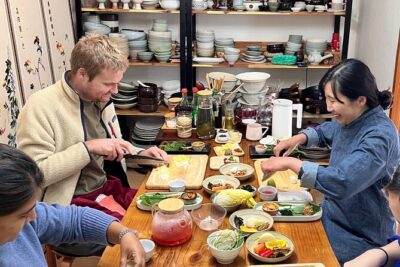
Master Korean traditional cooking with a Kimchi chef
Read our review →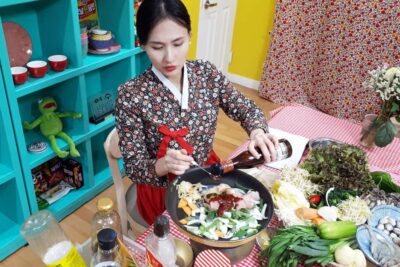
Korean Cooking Class at a Local Home and Market Tour
Read our review →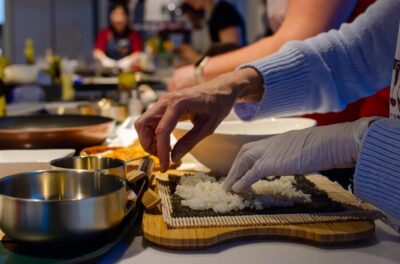
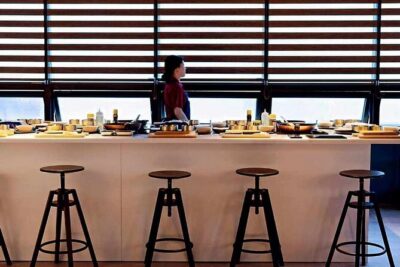
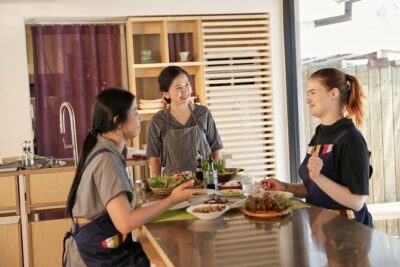
Experience Korean Cooking in Modern Hanok Kitchen
Read our review →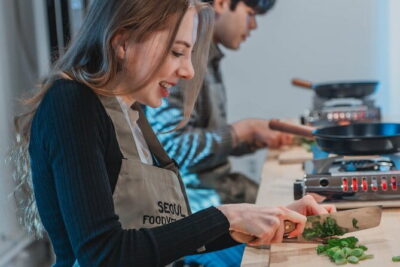
Korean Cooking Class with Grocery Shopping at Seoul Local Market
Read our review →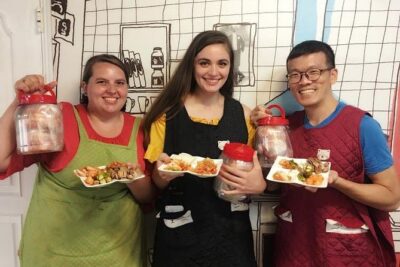
Korean Kimchi Making Day Experience with a Local Market Tour
Read our review →Browse the lists this tour appears in