
Reviewed · BUKCHON HANOK VILLAGE TOURS
Tour Seoul’s oldest district with a storyteller from Bukchon
Bukchon is more than a pretty hillside of tiled roofs. It was the center of Korean power for centuries, and guide Dong, who grew up here, connects royal families, politicians, artists, schools, wells, and neighborhood life in one walking story. That local point of view gives the tour a human edge that a standard photo stop cannot.
I like the easy pace and the way the route moves beyond the famous hanok lanes. I also like the personal angle: Dong is a filmmaker and university screenwriting professor, so he knows how to build a story. The main consideration is that Bukchon is hilly and paved with uneven streets, and children under 12 may find the storytelling and walking demanding.
Key points to know before booking
- Born-and-raised local guide: Dong shares Bukchon through personal memory as well as historical research.
- Seven meaningful stops: The route includes Unhyeongung, a traditional culture center, a historic well, Choong Ang High School, Samcheongdong, and Bukchon Hanok Village.
- History beyond the postcard: You’ll hear about royal succession, Japanese colonial-era independence activity, political power, business families, and feng shui.
- Private group format: Only your own group participates, which makes questions and conversation easier.
- About three hours on foot: The pace is relaxed, but hills and narrow streets call for moderate fitness.
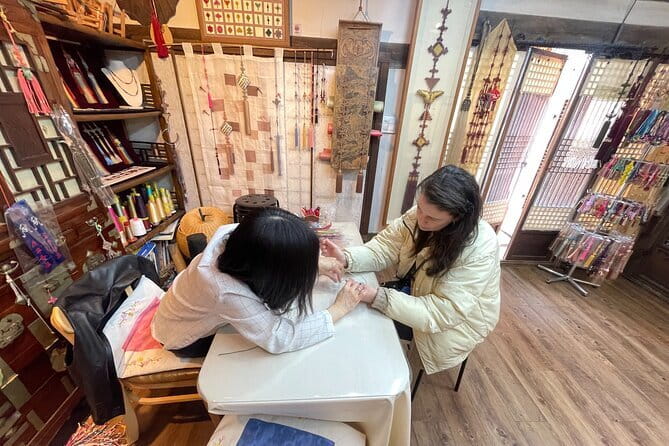
- Traditional craft option: A Korean handicraft activity is included only with the Plus Tour.
Why Bukchon makes a better history walk than a quick photo stop
Bukchon is often treated as a backdrop for hanbok photos and roofline pictures. Those sights are pleasant, but they reveal only a small part of the district. This walk explains why the neighborhood mattered from the Joseon period through the 1980s, and why it still carries political and cultural weight today.
The setting helps. A single route can move from a royal residence to a school, from old wells to upper-class hanok homes, and from quiet lanes to streets packed with visitors. You get a clearer sense of how Seoul changed without leaving one compact part of the city.
Dong’s background matters here. He was born and raised in Bukchon, and he now works as a filmmaker and university screenwriting professor. That combination suggests a guide who pays attention to place, character, and the small details that make a historical account easier to remember.
The tour also works well for visitors staying in modern parts of Seoul. If your first impression comes from Gangnam’s towers, shopping streets, and sleek cafés, Bukchon offers a sharp change of mood. You’ll see an older Seoul, but not a frozen museum district. The tour keeps linking old buildings to modern Korean life.
More Bukchon and hanok village tours in Seoul:
- Seoul: Gyeongbok Palace, Bukchon Village, and Gwangjang Tour
★ 4.9 · 2,321 reviews - Seoul City Sightseeing Tour Including Gyeongbokgung Palace, N Seoul Tower, and Namsangol Hanok Village
★ 5.0 · 1,423 reviews - Seoul: Gyeongbok Palace, Bukchon Village, and Gwangjang Tour
★ 5.0 · 1,044 reviews
Starting at Unhyeongung and the story of royal succession
Meet at 10:00 a.m. near Exit 4 of Anguk Station. The first stop is Unhyeongung, a former royal residence with an unusually dramatic succession story.
When a king died without a crown prince, an 11-year-old royal boy connected to this place became the 26th king of Joseon. For the next decade, his father ruled the country from here. That setup gives Dong a strong opening because it shows that royal power was not always a neat line from parent to child.
You won’t pay an admission charge for this stop. The value comes from the explanation and the setting, not from an extended palace visit. If you want a tour focused on palace interiors, ceremonies, or costume demonstrations, this walk is not designed for that. Its aim is to connect locations with stories.
Café Onion Anguk and six centuries of changing buildings
The next stop is Café Onion Anguk, where you can look at architecture from roughly 600, 100, and 50 years ago. The café itself is popular, but the key point is the mix of eras around it.
This is one of the places where the tour helps you read Bukchon instead of simply photographing it. Old Korean structures, newer buildings, and restored hanok forms sit close together. Dong explains what those changes say about Seoul’s growth and shifting values.
The stop lasts about 10 minutes and does not include coffee or tea. That is worth knowing if you are expecting a café break. Think of it as an architectural pause, not a refreshment stop.
Hanok life at the Bukchon Traditional Culture Center
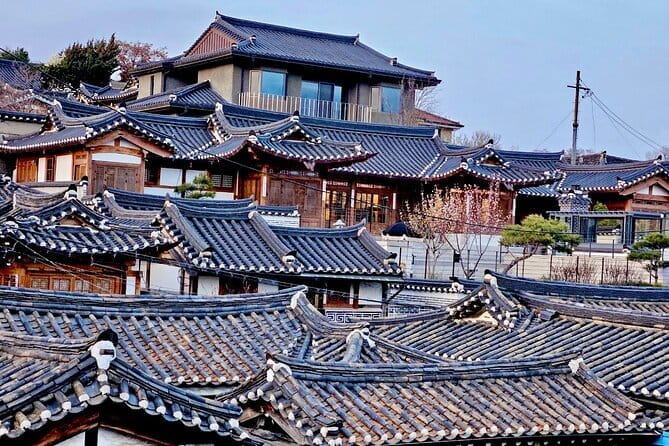
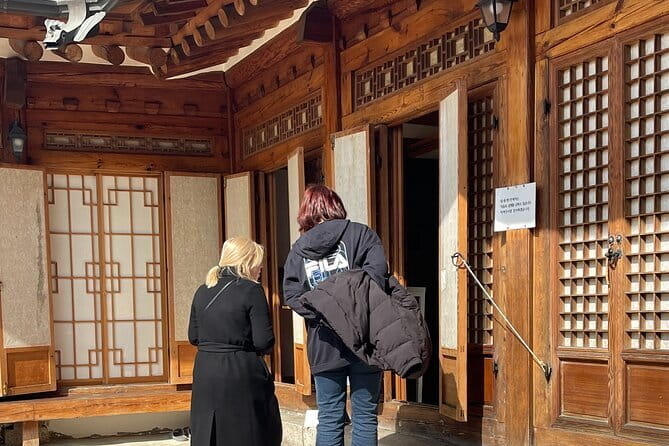
At the Bukchon Traditional Culture Center, the focus turns to hanok homes associated with the yangban, the ruling class that generally lived in Seoul.
A hanok is easy to admire from the outside, but the social meaning behind it is more interesting. The arrangement of homes, courtyards, lanes, and status tells you something about who held power and how upper-class life was organized.
This stop is brief, around 10 minutes, so you should not expect a long interior tour. Its role is to give you a framework for the traditional buildings you see later. Once you understand who lived in these homes and why, the narrow streets become less like a collection of attractive façades.
A different kind of day out around Seoul:
- Best DMZ Tour Korea from Seoul (Red Suspension Bridge Optional)
★ 5.0 · 41,422 reviews - DMZ Tour: 3rd Tunnel, Option(Suspension Bridge, Boat) from Seoul
★ 5.0 · 21,373 reviews - DMZ tour south Korea from Seoul (NK experience hall, defector)
★ 5.0 · 20,599 reviews - Seoul: DMZ Tour with Optional Suspension Bridge
★ 4.8 · 5,277 reviews
Seokjeong Boreum Well and the stories beneath the street
Seokjeong Boreum Well offers a quieter change of pace. Dong talks about the wells of Bukchon, including stories that many Koreans heard as children, then sets those tales against what history has shown.
That blend of folklore and fact is one of the more unusual parts of the walk. A well may look minor beside a palace or a famous hanok lane, but it points to daily life: water, neighborhood memory, and the way stories pass between generations.
This is another short stop, about 10 minutes. The walk does not turn the well into a grand attraction. Instead, it uses the site to show how ordinary places can carry memory.
Choong Ang High School, films, and Korea’s modern past
Choong Ang High School is known as a filming location for dramas and music videos, including Winter Sonata. That connection may interest fans of Korean screen culture, but the school’s historical role is the stronger reason to stop.
Dong presents it as a place tied to the forces that helped shape modern Korea. The supplied route description hints at a less familiar story behind the school, including links to the country’s difficult path toward independence and change.
You’ll spend about 10 minutes here. The stop is useful because it prevents the tour from becoming a procession of royal sites and traditional homes. Bukchon’s story includes education, political movements, and modern national identity too.
Samcheongdong, feng shui, and the rise of powerful families
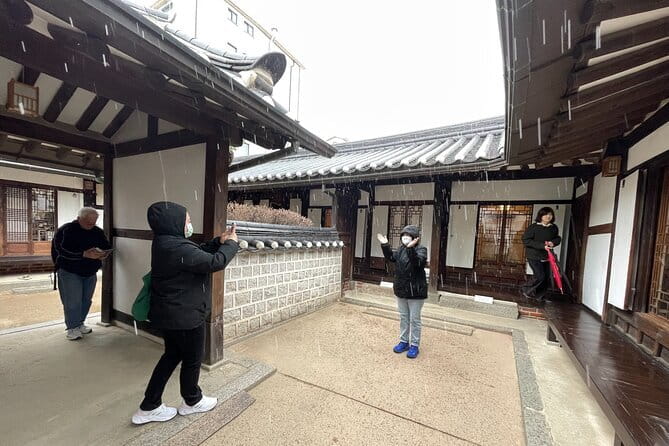
The Samcheongdong and Bukchon section gives the tour its broadest political sweep. Here, Dong traces the rise and fall of politicians and business tycoons who once held land in Bukchon.
The area was selected as Seoul’s capital according to principles of feng shui. On this walk, feng shui is not treated as a decorative idea or a quick tourist curiosity. It becomes a way to understand why certain places attracted power, prosperity, and political attention.
You’ll also hear about people who gained influence and then lost it. That rise-and-fall pattern gives the district a human scale. Power is not presented as permanent. Land, buildings, and street names outlast many of the people who once controlled them.
This section is especially useful if you want more than palace chronology. It ties geography to politics and asks why Bukchon became important in the first place. The stop lasts about 20 minutes, making it one of the longer story sections.
Bukchon Hanok Village and the person who reshaped it
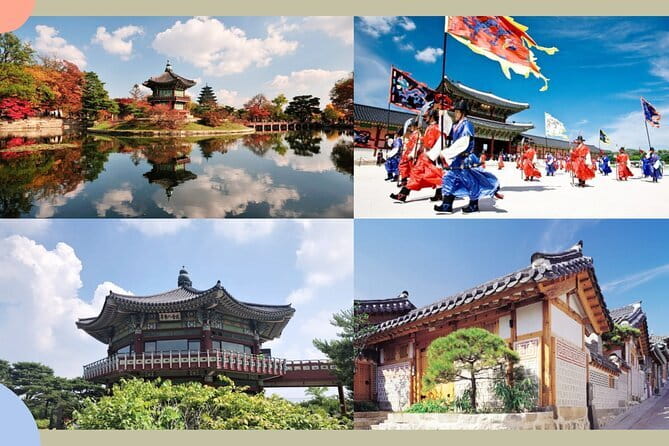
The final stop is Bukchon Hanok Village, where the focus turns to the man who changed the district in the 1920s and 1930s.
That detail matters because many people see Bukchon as an untouched old neighborhood. It is not. The village has been shaped, rebuilt, protected, marketed, and lived in over time. Learning who influenced its form helps you look past the idea that every roofline has survived unchanged for centuries.
The route also brings the story into the recent past. Dong’s own childhood gives him a way to discuss what Bukchon was like before its current popularity and how quickly the area has changed. His memories add context that a guide relying only on dates and plaques could not provide.
The tour ends in a different location from the meeting point. That is convenient if you plan to continue exploring Bukchon, Samcheongdong, or nearby cultural sights, but you should leave room in your day to orient yourself after the walk.
What the private format adds
This is a private activity, so only your group participates. That format is helpful in Bukchon, where narrow lanes and residential streets can make a large group awkward. You can ask about a particular building, pause for a question, or steer the conversation toward film, architecture, politics, or local life.
The experience is listed at $39.20 per person. For a private two to three hour walk led by someone with a direct connection to the neighborhood, that is a fair price if you value interpretation more than entrance tickets. The main stops do not charge admission, so you are paying for the guide’s time and storytelling rather than a bundle of paid attractions.
Group discounts are available, which can improve the value for families or friends traveling together. The Plus Tour adds a traditional Korean handicraft experience. Check the exact option before booking, since that activity is not included with the standard version.
The tour may be canceled if fewer than two people join. That is a practical point to keep in mind if you are arranging a tight Seoul schedule.
Pace, hills, weather, and what to wear
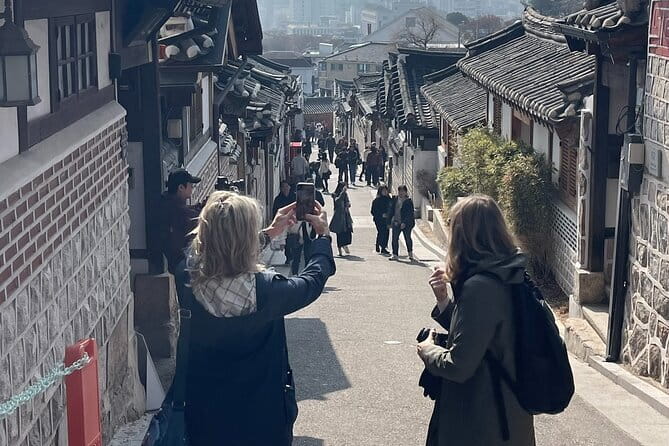
The walk lasts about two to three hours and requires moderate physical fitness. Bukchon includes slopes, steps, narrow lanes, and uneven pavement. You do not need to be an athlete, but comfortable shoes are a sensible choice.
The relaxed pace is a strong point. You are less likely to feel rushed from one photo stop to the next, and the storytelling has time to breathe. Still, a slow walk does not remove the hills, so anyone with mobility concerns should consider the route carefully.
Weather will affect the mood and comfort. In warm weather, the uphill streets can feel tiring. In cold weather, the same lanes can feel stark and atmospheric. Rain makes umbrellas awkward in tight passages, so check the forecast and dress for walking rather than for a short city excursion.
The tour is strongly recommended for ages 12 and above. That guidance is not about safety alone. Much of the experience depends on following long historical connections, political stories, and cultural ideas, so younger children may not get much from it.
How this walk compares with a standard Bukchon visit
A self-guided visit can show you the roofs, walls, cafés, and famous viewpoints. It may also give you freedom to stop whenever you like. The weakness is that the meaning of many places can remain unclear, especially outside the most photographed lanes.
This tour gives you a stronger sense of sequence. Royal succession leads to political power, political power leads to land and status, and traditional homes lead into the changes of modern Seoul. The route also includes places you could easily pass without noticing, such as the well and the school.
The tradeoff is flexibility. You will follow a set route beginning at 10:00 a.m., and the experience is built around listening while walking. If you want a free morning for shopping, cafés, and photographs, a guided walk may feel structured. If you want Bukchon to make sense, the structure is useful.
Who will get the most from Dong’s storytelling
I would choose this tour if you enjoy local voices, political history, architecture, Korean culture, or film locations. It is also a good first-day activity for anyone who wants practical orientation and recommendations for the rest of a Seoul visit.
Dong has offered visitors advice about other places in the city, including quieter sites beyond the usual circuit. His background in film and screenwriting should appeal to people who like stories built around characters and turning points rather than lists of dates.
The walk is less suitable if you want a palace-only tour, a food tour, or a hands-on craft session in the standard package. It is also not ideal for very young children or anyone who finds hills and uneven streets difficult.
The strongest feature is the combination of personal memory and historical explanation. You are not simply told that Bukchon changed. You hear how the neighborhood felt to someone who lived there, then connect that memory to the wider story of Seoul.
Should you book the Bukchon Storytelling Tour?
Book it if you want to understand why Bukchon matters, not just photograph it. The local guide, private format, calm pace, and unusual stops make this a good choice for a visitor who prefers context and conversation over a checklist of famous sights.
At $39.20, the value is strongest for couples, families with older children, or small groups who want their own guide for several hours. Add the Plus Tour if the traditional handicraft activity appeals to you.
Skip it if you want a short, flat walk or if your main goal is independent wandering. For most culturally curious visitors, though, this is a thoughtful way to see Seoul’s oldest district through the eyes of someone who grew up there.
FAQ
Where does the tour begin?
The tour begins at 10:00 a.m. at Anguk Station Exit 4 in Unni-dong, Jongno District, Seoul.
Where does the tour end?
The tour ends in a different location from the starting point. The supplied details do not specify the exact end point.
How long does the Bukchon walking tour last?
The experience lasts approximately two to three hours.
Who guides the tour?
The guide is Dong, also referred to as Donghwan in the supplied information. He was born and raised in Bukchon and is now a filmmaker and university screenwriting professor.
Is this a private tour?
Yes. Only your own group participates in the activity.
Is the traditional handicraft activity included?
A traditional Korean handicraft experience is included with the Plus Tour only. It is not listed as part of the standard tour.
Can I cancel for a full refund?
You can cancel up to 24 hours before the experience for a full refund.
Just added around Seoul
- Your Personal Seoul Photographer!★ 4.1 · 15 reviews
- From Seoul: Hwacheon Ice Fishing and Lighting Festival Tour★ 4.5 · 4 reviews
- You’re Invited to Our Home in Seoul: The Only Cooking Class!★ 5.0 · 8 reviews
- Seoul: Gangneung BTS K-Pop & K-Drama Filming Locations Tour★ 4.6 · 14 reviews
- Unique Native Experience : Han River Picnic, Board game, BBQ★ 5.0 · 3 reviews
- 2-Hour Private Kayaking and Paddleboarding Experience in Hanriver★ 5.0 · 3 reviews
- Yun Korean Cooking Class in Seoul★ 5.0 · 6 reviews
- Day Trip to Yongin Daejanggeum and Korean Folk Village from Seoul★ 4.0 · 9 reviews
Bukchon Hanok Village Tours, compared.
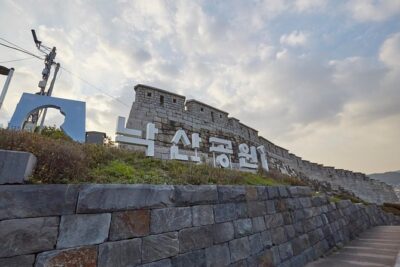
Gyeongbok Palace, Bukchon Village, and Gwangjang Tour
Read our review →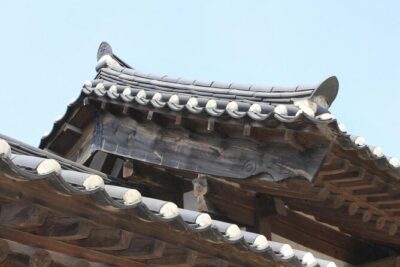
Seoul City Sightseeing Tour Including Gyeongbokgung Palace, N Seoul Tower, and Namsangol Hanok Village
Read our review →Gyeongbok Palace, Bukchon Village, and Gwangjang Tour
Read our review →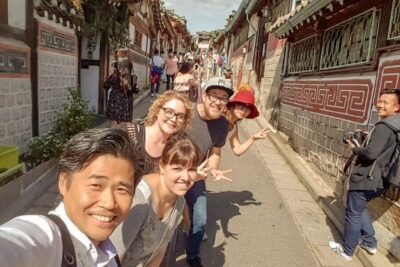
Gyeongbok Palace and Bukchon Hanok Walking Tour
Read our review →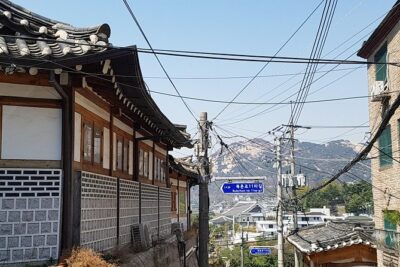
Best Walking Tour to Gyeongbok Palace Bukchon Hanok Village
Read our review →
Experience Korean Cooking in Modern Hanok Kitchen
Read our review →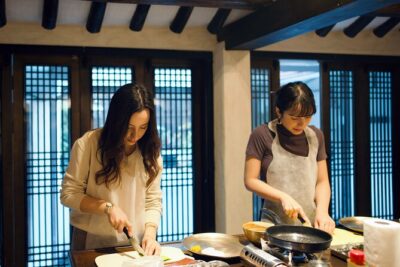
Royal Seoul Cooking Class in a 100-Year-Old Hanok
Read our review →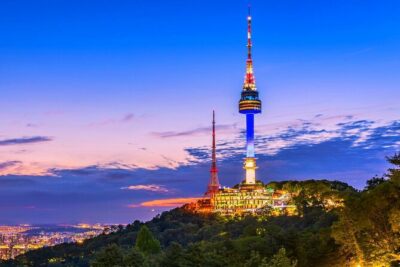
Afternoon Seoul: Hanok Vibes, Netflix Street Food & N Seoul Tower
Read our review →Browse the lists this tour appears in